WAIC 2023|UNIDO AIM-Global“技术与创新”私营部门圆桌在国际AI论坛成功举办

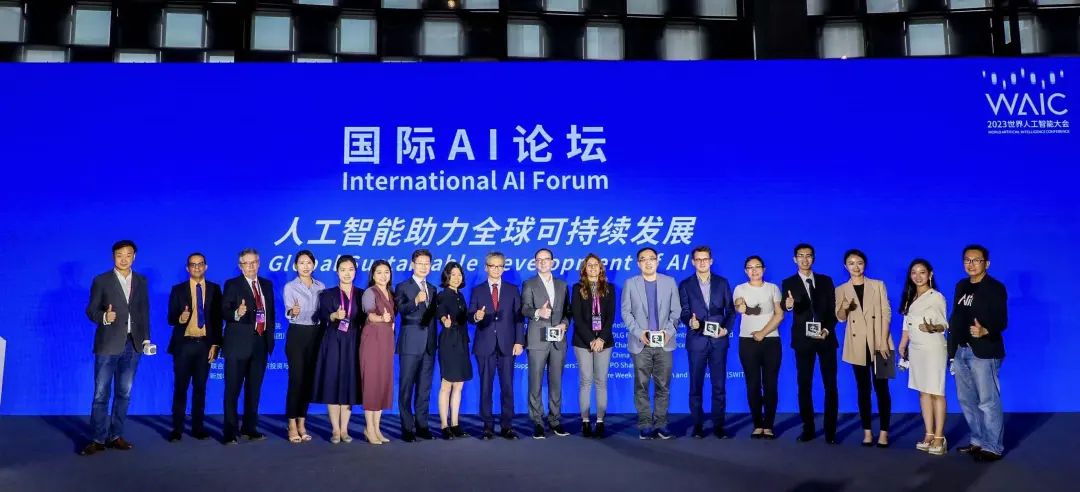
7月7日下午,由联合国工业发展组织投资与技术促进办公室(中国上海)(以下简称“UNIDO上海ITPO”)支持的“人工智能助力全球可持续发展国际AI论坛”在上海世博展览馆成功举办。继7月6日UNIDO在2023世界人工智能大会开幕式上发布全球工业和制造业人工智能联盟(AIM-Global联盟)后,首次与积极响应AIM-Global联盟成立的私营部门围绕“技术与创新”进行讨论。华为公共事务战略副总裁雷内·阿诺德(Rene Arnold)、德国INC创新中心本尼·德雷舍(Benny Drescher)、商汤科技大装置产业赋能中心主任蒋钦、普华永道(中国)综合商务咨询高级经理刘娟、麦肯锡(中国)合伙人及TMT行业数字化和人工智能亚洲负责人沈愷、成都新经济发展研究院副院长赵明潇等私营部门意见领袖参与讨论,UNIDO数字化转型与人工智能战略司司长神谷马可(Marco Kamiya)主持了该圆桌讨论。委内瑞拉科学技术部及信息与通信技术发展部副部长格洛丽亚·卡瓦略(Gloria Carvalho)、联合国工业发展组织韩国投资与技术促进办公室(UNIDO韩国ITPO)主任申旻浩(Maengho Shin)出席了本次活动。

UNIDO上海ITPO主任赵晓蕾在开场致辞中表示,UNIDO上海ITPO将与UNIDO总部形成合力,全力支持AIM-Global联盟的打造,为提升特别是中小企业的工业竞争力和产业可持续发展,为所在国政府建立全球伙伴关系和促进技术转让与投资落地服务,促进公共部门和私营部门的合作,通过人工智能技术安全、道德、可持续和包容的应用,为人类福祉和保护地球做出贡献。

圆桌论坛作为UNIDO为促进各国和各组织之间的对话和知识共享所做的持续努力的一部分,主要讨论成果包括培养人才和数字技能的重要性,促进公共和私营部门、工业和学术界之间的合作,以及利用技术进步推动可持续发展等内容。论坛强调了AIM-Global联盟将尽可能覆盖更多利益相关者以此让发展中国家得利用人工智能的力量促进可持续发展的愿景,特别是通过UNIDO和华为等全球人工智能领军者的伙伴关系。

UNIDO数字化转型与人工智能战略司司长神谷马可(Marco Kamiya)在主持圆桌时表示,人工智能作为提升生产力和竞争力的重要力量,但也存在伦理、社会和环境风险需要关注,尤其是发展中国家的中小企业由于知识和资源限制往往难以充分利用人工智能的优势。

针对上述问题,麦肯锡(中国)合伙人兼亚洲TMT领域数字和人工智能负责人沈愷探讨了如何减轻与人工智能实施相关的道德和社会风险,从而提高生产力。

华为技术有限公司公共事务部副总裁雷内·阿诺德(Rene Arnold)结合华为在应用人工智能方面的举措和努力,展望了华为对2030年人工智能的愿景。

商汤科技大装置产业赋能中心主任蒋钦则探讨了全球社区如何更好地利用人工智能解决潜在负面影响的问题。

新经济发展研究院(iNED)副院长赵明潇结合iNED在人工智能发展和实施方面的贡献,并详细介绍了iNED如何通过人工智能驱动内陆城市的人才培育,支持中小企业的良性发展。

普华永道(中国)高级经理刘娟探讨了发展中国家中小企业在利用人工智能潜力提升竞争力时面临的主要挑战,并提供了一个针对2050年人工智能应用的场景实例。

INC创新中心(德国)技术总监本尼·德雷舍(Benny Drescher)分享了OMC发明中心如何利用人工智能技术的例子,并讨论了这些举措对提高竞争力的影响。

专家们在讨论中认识到人工智能的重要性,强调了人工智能推动中小企业发展的经济潜力,讨论了道德和社会责任、人才培育和数字技能的重要性,并分享了各自组织在人工智能领域的实践和成果。本次论坛为私营企业家提供了一个共同交流的平台,彰显了私营企业对人工智能发展的承诺和愿景,旨在推动人工智能的可持续发展,促进经济增长和包容性增长,为创造更美好的明天开辟了新的可能性。
本次论坛现场吸引了超过500名观众,获得了热烈的反响。
On the afternoon of July 7th, the "International AI Forum: Global Sustainable Development of AI,” supported by the UNIDO Shanghai Investment and Technology Promotion Office (UNIDO ITPO Shanghai), was successfully held at the Shanghai World Expo Center. Following the launch of the Global Alliance on Artificial Intelligence for Industry and Manufacturing (AIM-Global Alliance) by UNIDO during the opening ceremony of the 2023 World AI Conference on July 6, this forum marked the first discussion among private sector participants who actively responded to the establishment of the AIM-Global Alliance, focusing on "Technology and Innovation." Private sector opinion leaders such as Rene Arnold, Vice President of Public Affairs Strategy at Huawei Technologies Ltd.; Benny Drescher, Technical Director at INC Innovation Center (Germany); Qin Jiang, Director of the Industry Empowerment Center at SenseTime; Ava Liu, Senior Manager at PwC China; Kai Shen, Partner at McKinsey China and Head of Digital and AI in the TMT industry in Asia, and Mingxiao Zhao, Deputy Dean of Chengdu Institute of New Economic Development, participated in the discussion. Marco Kamiya, Chief of UNIDO’s Digital Transformation and AI Strategies Division, chaired the roundtable discussion. Gloria Carvalho, Vice Minister for the Development of Information and Communication Technologies in Venezuela, and Maengho Shin, Head of UNIDO ITPO Korea, also attended the event.
In her opening remarks, Xiaolei Zhao, Head of UNIDO ITPO Shanghai, stated that UNIDO ITPO Shanghai will join forces with the UNIDO to fully support the establishment of the AIM-Global Alliance. The goal is to enhance industrial competitiveness and sustainable development, particularly for small and medium-sized enterprises (SMEs). UNIDO ITPO Shanghai aims to assist national governments in establishing global partnerships, promoting technology transfer and investment facilitation services, and fostering collaboration between the public and private sectors. Through the secure, ethical, sustainable, and inclusive application of AI technology, UNIDO ITPO Shanghai aspires to contribute to the well-being of humanity and the preservation of our planet.
As part of UNIDO's ongoing efforts to promote dialogue and knowledge sharing among countries and organizations, the roundtable forum focused on key outcomes, including the importance of nurturing talent and digital skills, fostering collaboration between the public and private sectors, industry, and academia, and leveraging technological advancements to drive sustainable development. The forum emphasized the vision of the AIM-Global Alliance to involve as many stakeholders as possible, enabling developing countries to harness the power of AI for sustainable development, particularly through partnerships between UNIDO and global AI leaders such as Huawei.
During the roundtable discussion, Marco Kamiya, UNIDO's Chief of Digital Transformation and AI Strategies Division, highlighted that AI is a significant force in enhancing productivity and competitiveness. However, he also emphasized the need to address ethical, social, and environmental risks associated with AI, particularly concerning small and medium-sized enterprises in developing countries that often face limitations in knowledge and resources, making it challenging for them to fully leverage the advantages of AI.
In response to these concerns, Kai Shen, Partner of McKinsey and Leader of Digital and AI across TMT in Asia, discussed how to mitigate the ethical and societal risks associated with AI implementation and improve productivity.
Rene Arnold, Vice President of Public Affairs Strategy at Huawei, shared Huawei's initiatives and efforts in applying artificial intelligence and presented Huawei's vision for AI in 2030.
Qin Jiang, Director of SenseCore Industry Enabling Center, discussed how global communities can better utilize AI to address potential negative impacts.
Mingxiao Zhao, Vice Dean of the Institute for New Economic Development (iNED), highlighted iNED's contributions to AI development and implementation, focusing on how iNED drives talent cultivation and supports the positive growth of SMEs in inland cities through AI.
Ava Liu, Senior Manager of General Business Advisory at PwC China, explored the key challenges faced by small and medium-sized enterprises in developing countries in leveraging the potential of AI to enhance competitiveness and provides an example of a scenario for AI applications in 2050.
Benny Drescher, Technology Director at the INC Innovation Centre at RWTH Aachen Campus (Germany), shared examples of how the OMC Invention Centre has utilised artificial intelligence technology and discussed the impact of these initiatives on improving competitiveness.
Experts acknowledged the importance of AI, highlighting its economic potential in driving the development of small and medium enterprises. They emphasized the significance of ethics, social responsibility, talent cultivation, and digital skills while sharing their organizations' practices and achievements in the field of AI. The forum provided a platform for private entrepreneurs to exchange ideas together with the aim of promoting sustainable development of AI for economic growth and inclusive growth, creating new possibilities for a better tomorrow.
The forum attracted over 500 attendees and received a enthusiastic response on-site.